Three days of research, debate, and dialogue at Klimafolkemødet
Three days of debates, talks, demonstrations and conversations with the public have come to an end at this year’s Klimafolkemødet in Middelfart, where Aarhus University was once again strongly represented.
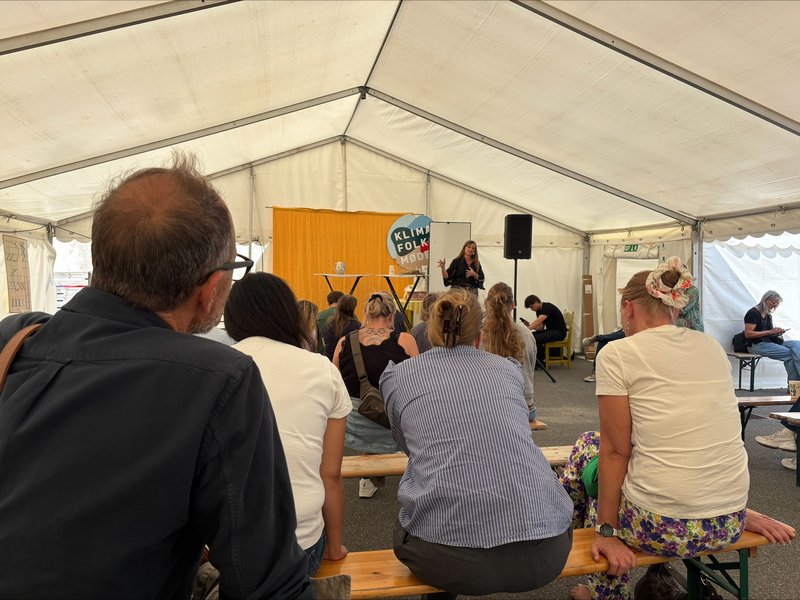
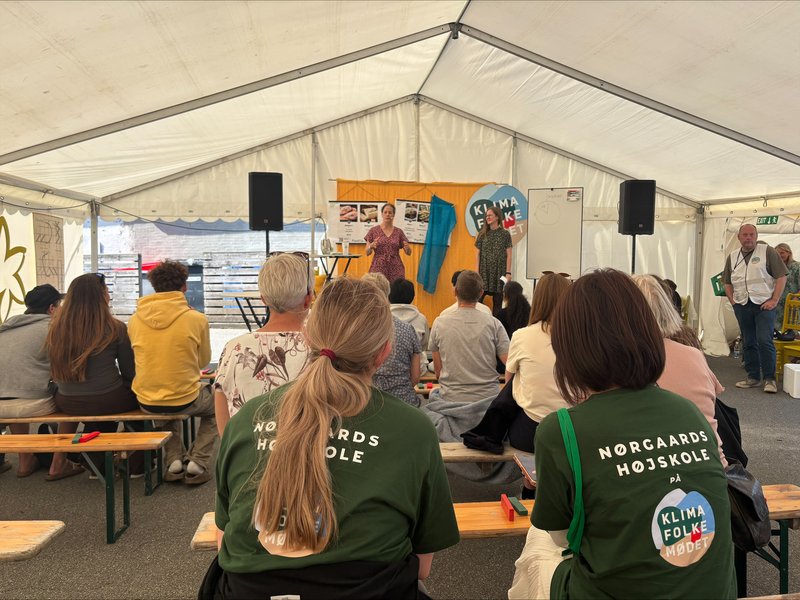
From 27–29 August, researchers from Aarhus University contributed to a total of 26 debates, talks and activities on the stages at Klimafolkemødet. The contributions covered a wide range of topics – from agriculture, climate and the Green Tripartite Agreement to biodiversity, food, construction, health, clouds, glaciers and the many dilemmas of the green transition.
The Yellow Stage in particular became a central focal point for AU’s participation. Here, the university was represented in 15 events over the three days. The audience could, among other things, hear about microbiomes and climate adaptation of crops, modern biotechnology, solar panels in agricultural landscapes, nitrification inhibitors, the Green Tripartite Agreement and the impact of climate change on the future of agriculture.
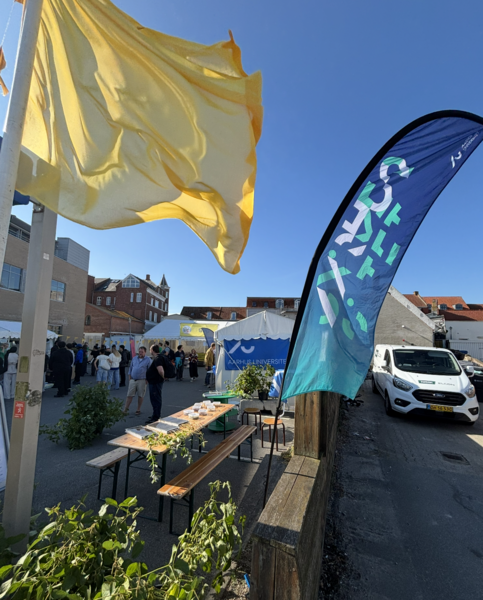
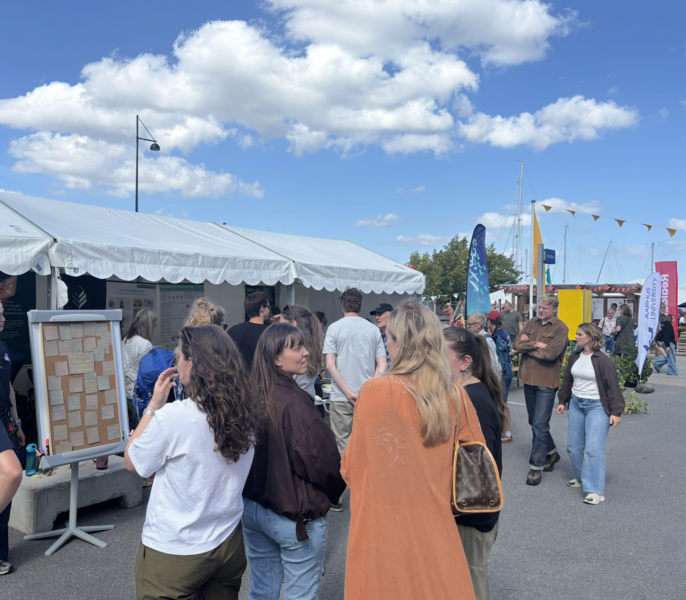
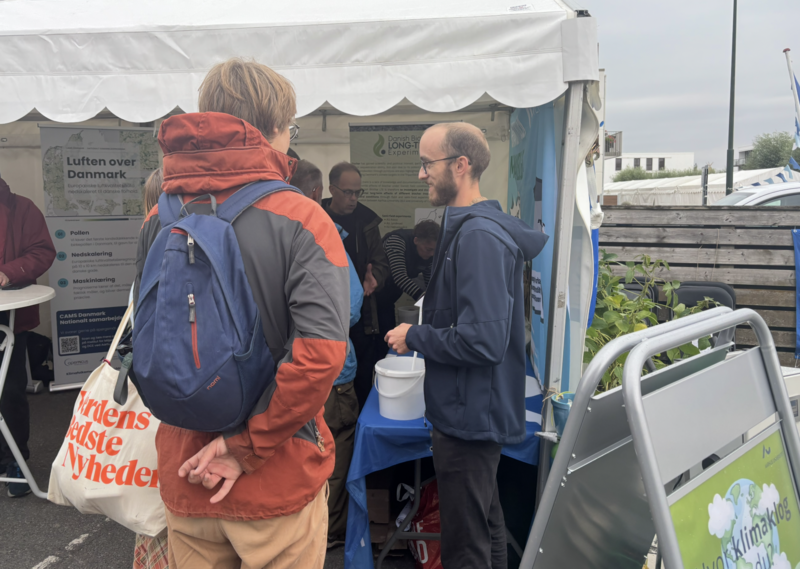
The AU tent also had a successful Klimafolkemødet and attracted many visitors throughout all three days. Here, the format was different from the stage events: visitors could get closer to researchers, students and specific research activities, ask questions and experience a range of demonstrations themselves.
The programme in the tent included, among other things, grains, seeds and Danish food culture, Danish-grown soy, VR on agrivoltaics, methane measurements from cows, different types of feed, a cloud chamber and an air pollution forecasting system. Visitors could also learn more about sustainable building materials, indoor climate and climate-conscious urban development. It was also possible to meet students from AU Viborg and learn more about the degree programmes at Denmark’s green campus.
Overall, the days in Middelfart provided an opportunity to engage with the general public, professionals, organisations and decision-makers – both through the scheduled debates and presentations and in the more informal conversations in the tent.
The official total attendance figure for 2026 has not yet been published, but around 40,000 people attended Klimafolkemødet in 2025.
For AU, Klimafolkemødet was therefore three successful days with strong visibility, many good conversations and, not least, an opportunity to bring research-based knowledge directly into the public conversation about climate and the green transition.
Thank you to all researchers, students and colleagues from the Department of Agroecology, Department of Environmental Science, Department of Animal and Veterinary Sciences, Department of Civil and Architectural Engineering, Department of Management at Aarhus BSS, Department of Anthropology, iClimate, the MAPP Centre, and Aarhus Center for Regenerative Building, who contributed to AU’s presence and helped make the three days in Middelfart a success.