Major upgrades provide a stronger foundation for the future
When we look back on the past few years, there is good reason to feel both proud and grateful. Thanks to a strong financial position at Aarhus University and within our department, we have had an exceptional opportunity to invest significantly in our experimental stations and greenhouse facilities. These investments are already making a noticeable difference today and will remain important for many years to come.

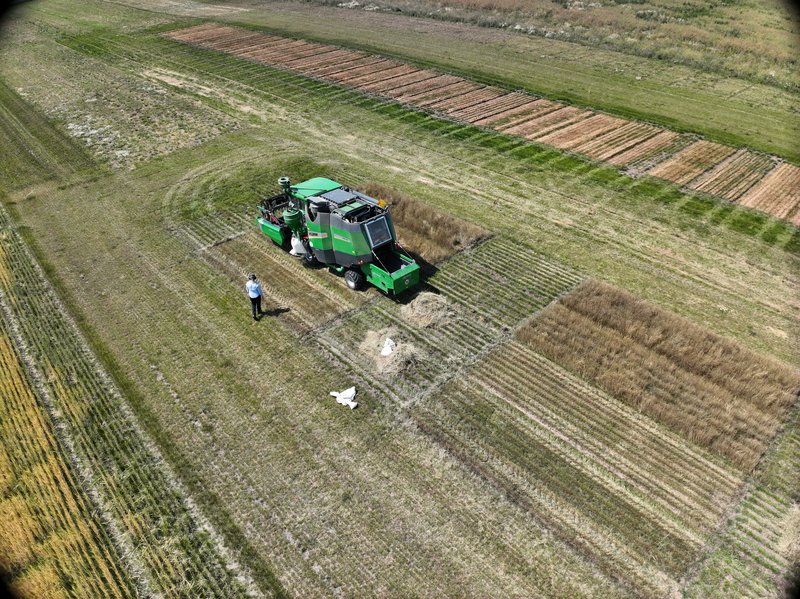
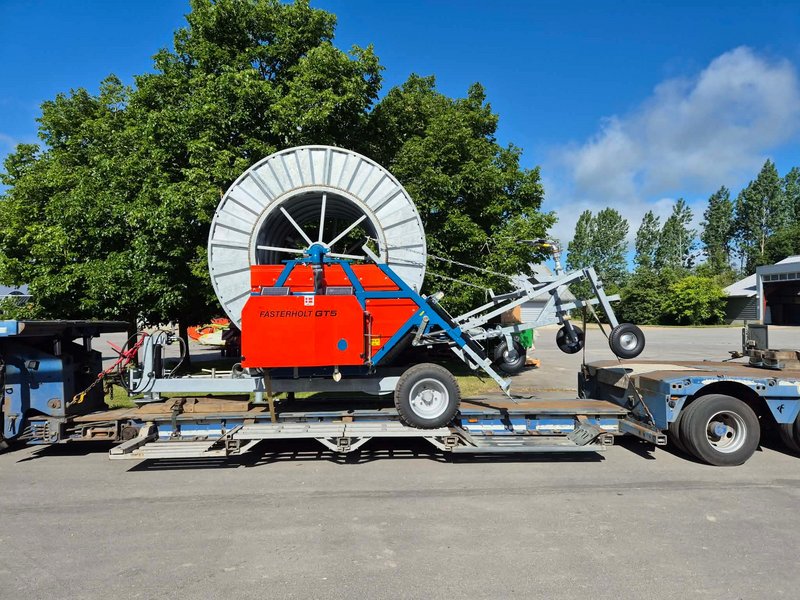
Both the machinery used for field trials and the equipment in our greenhouses have undergone extensive and much-needed modernisation. This is not simply about acquiring new machinery and technology. It is about creating the best possible working conditions for our technicians, enabling them to carry out their work with a high degree of precision and professionalism in a safe working environment. Improved ergonomics, reduced noise, fewer heavy lifts and more modern working conditions are benefits that support both our employees and our research.
The investments are also a natural response to the development we have experienced in recent years. The number of researchers and research activities has increased significantly, placing greater demands on our technical expertise and capacity. More projects mean more tasks, greater complexity and an increased need for modern equipment.
Many of our long-serving colleagues say that they have never previously experienced a comparable period of investment. This says something about the scale of the upgrades, but also about the confidence that has been placed in our work. That confidence comes with responsibility, and we must continue to translate it into high quality, flexibility and professional service for our researchers.
Today, we are therefore in a much stronger position than we were only a few years ago. In the field, we now have better opportunities to conduct high-quality trials with greater certainty that tasks can be completed on time. In the greenhouses, improvements to areas including lighting, water quality, fertiliser application and facility management have created a far stronger basis for advanced and complex experiments.
However, our work is not complete. Greenhouse capacity remains a challenge, and it is therefore important that greenhouse tables and climate chambers are booked well in advance. At the same time, we are working systematically to make even better use of our existing facilities. Our vision is to establish smaller and more flexible growth rooms within the older greenhouses. These would allow us to control lighting, temperature and other climate conditions far more precisely while reducing energy consumption. This solution would benefit our research, our finances and the green transition.
Another important development is the generational transition taking place among our field technicians. Saying goodbye to experienced colleagues is never easy, but it is encouraging to see how quickly new employees have found their place. They have brought new skills, fresh ideas and a high level of commitment, strengthening both the professional environment and collaboration across the organisation. At the same time, experienced colleagues have been generous in sharing their knowledge, and this combination provides a strong foundation for the future.
Our most important resource is neither our machinery nor our buildings. It is the people who make things happen every day. Modern equipment only creates real value when it is combined with skilled and committed employees who take responsibility and work together to accomplish shared tasks. This development is therefore what gives me the greatest sense of optimism.