30 years – and still going strong!
This year it is 30 years ago that the article about systems thinking and its application in agricultural science was published in the magazine ”Ugeskrift for Jordbrug” with a rather younger edition of Erik Steen Kristensen as co-author. The subject is still very topical for research carried out in SYSTEM but especially for the whole department.
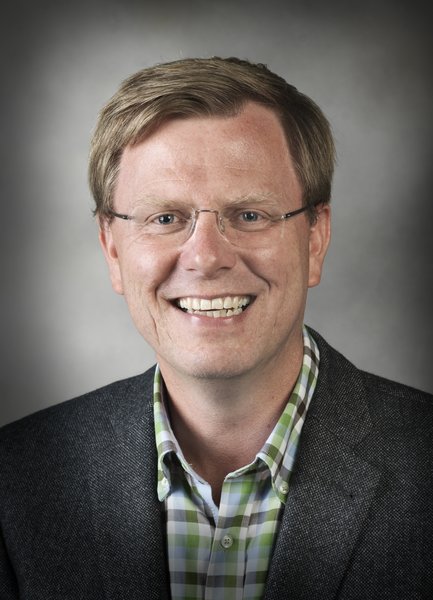
March 20, 2018 was a special day! This was the day that we held our ”Agricultural Systems and Sustainability” seminar with a visit from Emeritus Professor Nadarajah Sriskandarajah, also known as Sri, from the Swedish University of Agricultural Sciences.
Sri originally came to Foulum in 1989 as a visiting researcher from Hawkesbury University of Western Sydney, Australia, whose groundbreaking approaches to research have inspired a whole generation of agricultural scientists. He was back in Foulum in top form and facilitated our Systems Thinking workshop for a new generation of food and agricultural researchers.
It was a very special feeling to stand there in the group, which was arranged by order of seniority, and share experiences about each of our approaches to systems research. The group consisted of one third young PhD students, one third young researchers and then us more experienced seniors; thought-provoking!
Exchange of experience
It was a good beginning to the day’s exercises in describing the systems that are the research objects in each of the group’s pre-defined teams, but not least to exchange ideas about how shared systems research methods can be used to the benefit of research and PhD projects. We were also treated to a couple of edifying lectures regarding new and old research in the area.
We discussed what makes our research in agricultural systems strong and gives it a good impact. One of the conclusions was that our large and unified Department of Agroecology and our close collaboration with neighbouring departments was part of the explanation for the strong environment in Denmark. This is precisely where systems research has rich opportunities for interaction with the more process-oriented disciplines and vice versa, which to a great extent is a strength in our extensive policy support tasks.
This ”Danish model” is capable of something special and also comprises the all-important interaction between soft and hard systems methodologies. There is a continual learning process so research can adapt to the latest solutions that society and the industry demand.
Holistic thinking applied in real life
Along these lines, we heard about a couple of concrete examples on our visit to the organic dairy Thise Mejeri, where we were given an introduction by the dairy cooperative’s agricultural employee Anne Berg Olsen, an Agro-Environmental Management graduate. The dairy thinks in whole chains all the way from the farmer to the consumer, e.g. in connection with the new product and project Græsmælk, or Urmælk, that has a special protein content from genetically selected Jersey cows.
We also heard Erik Kolding from Skive Municipality tell about their new GreenLab Skive and the plans for producing starfish meal or refining grass to pig feed and energy production while at the same time cleansing the fjord in accordance with the best circular thinking.
One thing is sure: We brought home lots of inspiration and knowledge from the seminar, which can contribute to leading systems research at Aarhus University into the future, e.g. in interaction with the international research that will be presented at this summer’s International Farming Systems Association (IFSA) conference in Greece. Aarhus University will contribute in several ways, including to the related PhD course that we, under the leadership of Chris Kjeldsen from SYSTEM, expect to develop further for future generations of students.
At our Agricultural Systems and Sustainability seminar, we found that better integration of the systems approach into our teaching is one of the most important demands for the future; but who knows where food and agricultural systems research will be 30 years from now?