AGRO plays a central role in the Building Stronger Universities initiative
Creating partnerships with African universities has clear benefits with regard to AGRO’s strategic development.
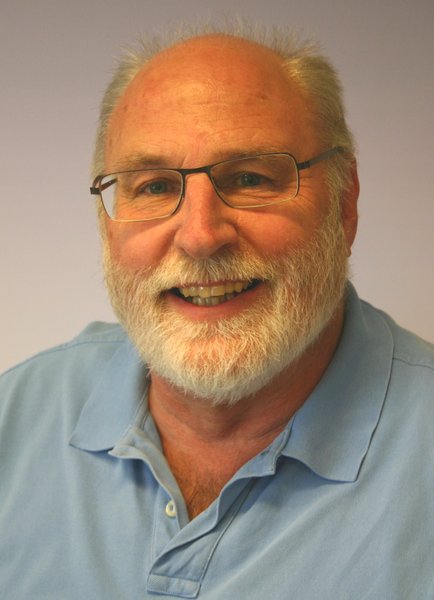
This month collaborators from three African universities are visiting AGRO in order to get the last details in place for the framework of a continued partnership.
Part of Denmark’s support to developing countries takes place via the programme Building Stronger Universities. The main aim is to build capacities at chosen universities in Africa so they can carry out high quality research with greater relevance to society via, among other things, improved PhD programmes and research methods.
The method is to create partnerships between universities in the south and Denmark in order to achieve improved research skills through shared activities. The programme has been up and running for some years and has just recently been extended to continuation in a phase III.
In phase III, programmes will be developed for six African universities. AGRO is strongly involved with three of the universities. Finn Plauborg leads the Danish consortium of universities that are partnering with the University of Ghana, Torsten Rødel Berg is the consortium leader (with Uffe Jørgensen as theme leader) of the partnership with Kwame Nkrumah University of Science and Technology (KNUST), Ghana, and Per Kudsk and I are theme leaders for the agroecology efforts in the partnership with Sokoine University of Agriculture, Tanzania.
The Danish budget for each of the partnerships is approximately 13 million kroner, and there is a corresponding budget for the African university. The focus is not exclusively on agriculture but agriculture plays a central role in the three partnerships mentioned.
Population growth in Africa is large and there is a very great need to increase food production in an environmentally responsible way. International donors interested in agricultural and environmental issues therefore also focus on Africa, just as Africa is included in various contexts as a privileged partner in several EU calls.
For AGRO the collaboration is a Kinder Egg:
- From a cynical standpoint, the collaboration means better possibilities for participating in the right partnerships in relation to international funding within our key areas.
- In relation to global responsibility, it brings AGRO’s knowledge and research skills into play in a region that really needs it.
- For the individual researcher, this formalised collaboration eases the possibilities for developing one’s research area to cover an important context other than the European one.
Each of the three partnerships is organised somewhat differently, but typically with a core group on the Danish and African sides, respectively. I would like to encourage researchers who are interested in this type of collaboration to learn more by contacting one of the leaders in the partnerships.