The management team has its focus on the future
I have just participated in my last department management team meeting, and while I will soon be of the past, the management team has its eyes firmly fixed on the future.
Financially, the future looks promising, and our greatest challenge in the coming years is to attract qualified labour to ensure that the generational change can run smoothly but also to ensure that we can cultivate new research areas. We need to take on both high-profile researchers who can help to build up new research areas as well as a large number of young researchers who can continue and further develop existing research areas.
The starting point for the efforts in the coming years is our strategic plan for 2023-25, and at our management meeting we agreed on an action plan for each of our 8 focus areas. As already mentioned, our greatest challenge at present is to attract a sufficient number of qualified applicants for the advertised positions. It was therefore decided to tighten up the work of the search committees and advertise positions more widely than we have done so far. However, if we are to succeed in recruiting talented employees, it is also necessary that we all contribute by drawing attention to our job advertisements on the social media where we are active and in the professional forums we visit.
Another aspect which we discussed was that there is a need for a better set-up around the dialogues we have with the young researchers. The purpose of these dialogues should not only be to present the department’s expectations to the researchers but also to inform them about what we have to offer in terms of mentoring and career planning.
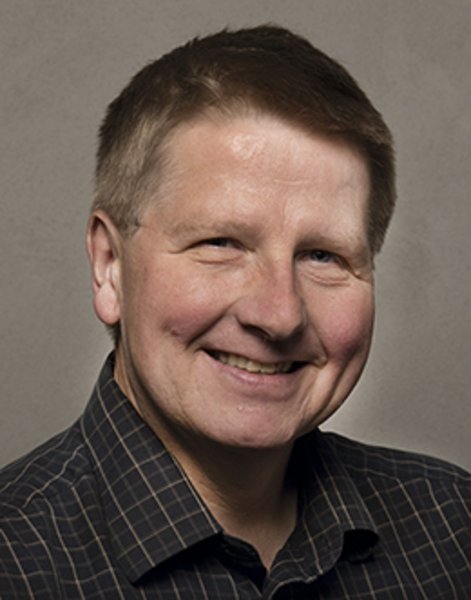
As already mentioned, it was my last department management team meeting. I have been a head of section since 1994 when we were the Danish Institute of Plant and Soil Science (“Statens Planteavlsforsøg”). Being part of that has been an exciting journey. Back in the 1990s, being a head of a section was more in name than in actual fact, but the management function has really become professionalised over the years; this has also been necessary due to the larger and larger departments. AGRO has a very well-functioning management team where everyone takes responsibility for the well-being of the department and not just their own research section. It has been a pleasure to be a part of it, and I am sure that René Gislum, who takes over the job as head of section in CROP on 1 October, will find it equally enjoyable to be part of the department management team.